
As a seizure dog parent, it’s natural to want to do everything possible to prevent your dog from having another seizure. When you see them go through something scary, the instinct is to think: “More medicine will fix this.” Over the past year since Forrest’s seizures started, I’ve read countless stories from other epilepsy dog owners and listened to webinars with veterinary neurologists, about how more medication doesn’t necessarily lead to better seizure control—and oftentimes, it comes at a high cost.
Medication Decisions Require Thought and Care
Seizure medications are powerful tools and they need to be considered very carefully. It’s important to accept that some level of seizure activity will likely always exist, and to weigh the benefits of seizure control against potential side effects.
One important thing I have learned is to avoid rush into major changes in the days immediately after a seizure—unless it’s an emergency. Give yourself time to research, track, speak to your dogs neurologist or veterinarian and reflect before adding more meds. The goal is to control the seizures, not eliminate them, though we would all love for that to happen.
Tracking your dog’s response to medications is essential. Keep a seizure log, note behaviors before and after episodes. Every dog is different. Work closely with your dogs neurologist or vet to determine the best plan for your dog.
Quality of Life Matters Most
The ultimate goal of seizure medications isn’t always to stop seizures completely. For some dogs and breeds, that may happen, but for many, the aim is to give them a happy, fulfilling life between episodes.
Ask yourself: if your dog is so heavily medicated that they’re too groggy to play, eat, or enjoy life, and if the medications are taxing their organs, is that truly the life they’d want? Is it the life you want for your dog? These are hard to answer questions that none of us wants to face but when you love an epi dog or any dog with special needs—we owe it to them and to ourselves to dig deep and answer the hard questions.
Insurance is Essential
One of the hardest realities of caring for a special needs dog is the financial aspect. Seizure management often comes with frequent vet visits, tests, and emergency care. This is why insurance is a must.
I use Healthy Paws for Forrest, and I’m so grateful I do. Without it, covering costs would be much more stressful. AKC also offers insurance even for dogs with pre-existing conditions, which can be a game-changer.
Advocate for Your Dog
No one knows your dog like you do. Track their behavior, notice patterns, and don’t be afraid to ask questions. Advocate for your dog’s quality of life just as much as their seizure control.
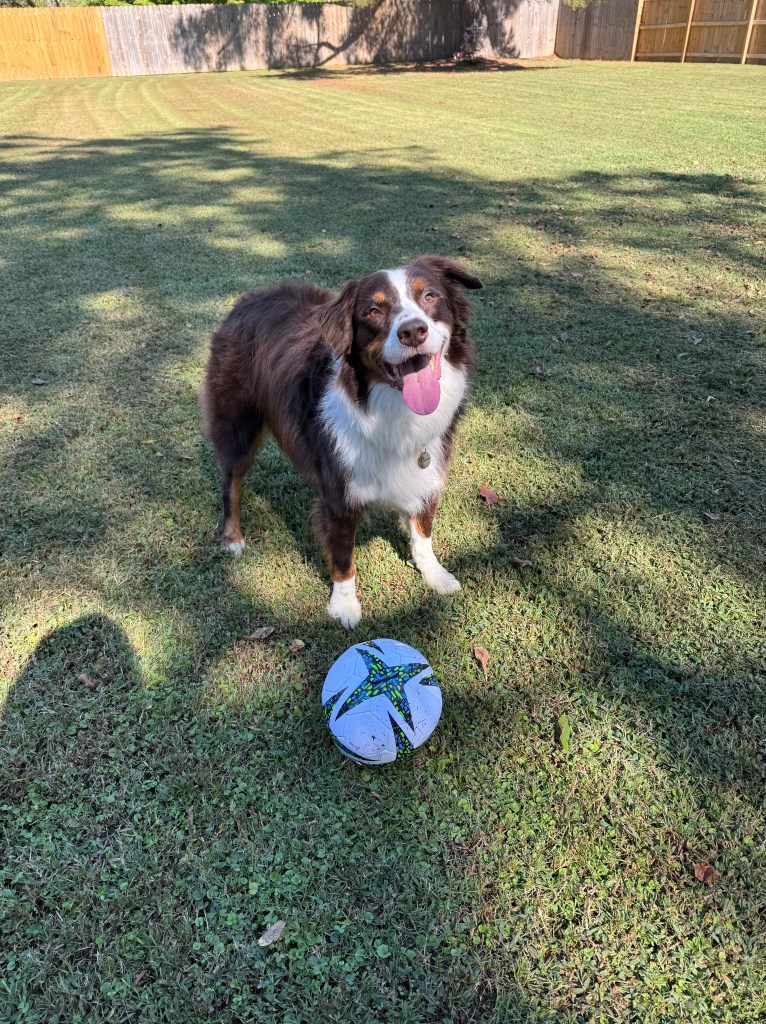
Caring for a special needs dog is a privilege. It comes with challenges, yes, but also with the kind of love and connection that makes every adjustment worth it. Forrest has had his seizures, yes, but he still runs and plays frisbee, plays in his pool, enjoys his favorite treats. We’re even going back to the beach this Fall! The first trip since his seizures started.
His seizures are tough, no doubt. His medications are serious and require him to have regular blood monitoring. All of which keep him safe. But they’re only one part of the picture. He is still his happy, silly, full of joy self and that makes my epi dog Mom heart very happy.
Track Your Dog’s Health Easily
One tool that has been incredibly helpful for me in managing Forrest’s seizures is the PetVitality app. It allows you to track medications, seizures, weight, elimination, vet visits, and more—all in one convenient place.
Whether your dog has seizures or just needs a little extra health tracking, this app makes staying organized and prepared so much easier.
Android: Use code: EPIDOGMOM for a 3 month FREE trial!
Apple devices: Use this LINK
💜 A Note From Forrest’s Mom:
I share our daily life on Forrest’s Facebook page—not just his seizures, but all the little moments that make life full and happy. My hope is to raise awareness about canine epilepsy and show that dogs can still live a joyful, “normal” life despite seizures. Caring for a special needs dog is a privilege I wouldn’t trade for anything.

💜 Help Spread the Word
If you found this post helpful, please share it on your social media! The more people who read it, the more awareness we can raise about canine epilepsy—and the more support we can provide to those who love dogs living with seizures. Every share helps another pet parent feel prepared, informed, and less alone.
From our lavender world of grace, we’re holding onto love, walking by faith. 💜
Disclaimer: I am not a veterinarian. The information in this blog is based on my personal experiences with Forrest and research I’ve done. It is not a substitute for professional veterinary advice. Always consult your veterinarian or a veterinary neurologist regarding your dog’s health, medications, or treatment plan.



Leave a Reply